
Motorcycle ABS safety is becoming a bigger part of the conversation about safer riding. Modern motorcycles are faster, traffic is more complex, and emergency stops can happen with almost no warning. A driver may turn across your path. Rain can reduce grip. Gravel may appear in a corner. In those moments, smooth braking technique matters, but anti-lock braking systems can add another layer of protection.
ABS does not make a motorcycle crash-proof. It also does not replace training, good tires, proper following distance, or rider judgment. However, current safety research continues to show a meaningful benefit. For riders shopping for a new bike, upgrading from an older motorcycle, or simply trying to understand their machine better, ABS is worth knowing in detail.
This guide explains how motorcycle ABS works, what the latest safety data suggests, and how to use the technology without becoming overconfident. You can also explore our motorcycle safety tips and motorcycle training resources for more practical riding guidance.
What Motorcycle ABS Does—and Why It Matters
ABS stands for anti-lock braking system. Its main job is simple: help prevent a wheel from locking during hard braking. A locked motorcycle wheel can lose traction quickly. If the front wheel locks, the rider may lose steering control or fall. If the rear wheel locks, the motorcycle may slide and become unstable.
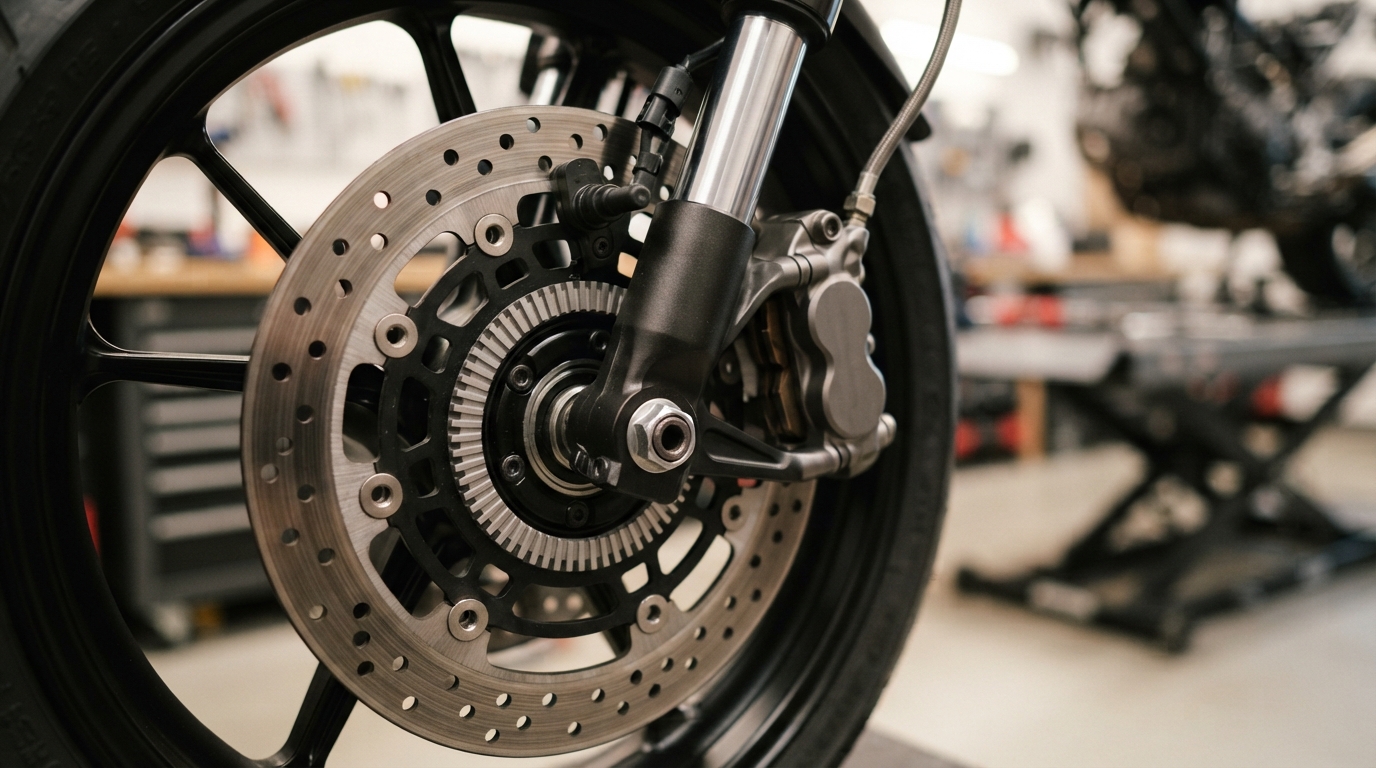
Motorcycle ABS monitors wheel speed through sensors. When the system detects that a wheel is about to stop rotating while the motorcycle is still moving, it can rapidly reduce and reapply brake pressure. This happens many times per second. The rider may feel pulsing at the brake lever or pedal when the system activates.
During normal braking, ABS usually stays in the background. The system becomes most important when braking pressure approaches the available traction limit.
How ABS Helps During Emergency Braking
Emergency braking is one of the hardest skills to perform consistently under stress. A rider may know the correct technique during practice, yet react differently when a car suddenly stops ahead. Panic can lead to grabbing the front brake too aggressively or stomping on the rear brake.
ABS gives the braking system a chance to manage wheel lock while the rider focuses on slowing the motorcycle. That can be especially useful when the road is wet, traction changes suddenly, or the rider must brake harder than expected.
ABS can reduce wheel lock on wet or loose surfaces
Wet pavement, painted road markings, metal covers, sand, and small patches of gravel can change available traction. The change may be difficult to judge from the saddle. On a non-ABS motorcycle, too much brake pressure can lock a wheel before the rider has time to correct it.
ABS can intervene when wheel speed data shows an approaching lockup. That does not mean every stop will be shorter. Surface conditions, tires, suspension, speed, and rider input still matter. However, keeping the wheels rolling can help preserve stability while the bike slows.
Riders should still scan ahead and leave space. Technology works best when it supports good habits instead of trying to rescue poor ones. Our motorcycle gear guides also explain why tires and protective equipment remain important parts of a complete safety plan.
ABS does not replace braking technique
A common mistake is treating ABS as permission to brake late. That is the wrong approach. Riders still need to understand progressive front-brake pressure, rear-brake use, body position, and how weight transfers toward the front tire.
Practice also helps riders become familiar with how their specific motorcycle behaves. Some systems pulse more noticeably than others. Some bikes use linked braking. Others include cornering ABS that uses additional sensor information to manage braking while the motorcycle is leaned.
Start practice at a controlled speed in a safe, closed area. Build pressure smoothly and learn the feel of the controls. If you have access to professional instruction, use it. A structured course can help you practice emergency stops without waiting for a real emergency.
What the Latest Safety Data Shows
The case for motorcycle ABS is not based only on convenience. IIHS reports that the fatal crash rate is 22% lower for motorcycles equipped with optional ABS than for the same models without it. It also reports fewer collision insurance claims for ABS-equipped motorcycles.
That matters because riders remain highly exposed in traffic crashes. NHTSA reports that 6,228 motorcyclists were killed in 2024. Per mile traveled, motorcyclists were almost 27 times more likely than passenger car occupants to die in a crash.
For the latest research, review the Insurance Institute for Highway Safety motorcycle research page. IIHS motorcycle safety research covers ABS, helmets, crash trends, and motorcycle types.
ABS is becoming common, but it is not universal
ABS availability has increased significantly. IIHS reports that 71% of 2025 motorcycle models came with standard ABS, while another 11% offered it as an option. Still, not every motorcycle has it. Many older bikes were built before ABS became common, and some newer models may still be sold without it.
That creates an important buying question. If two motorcycles meet your needs and one includes ABS, the safety evidence gives riders a strong reason to consider the ABS-equipped option. The decision should also account for fit, power delivery, intended use, maintenance, and rider experience.
Used-bike buyers should verify equipment rather than assuming a model has ABS. Look for wheel-speed sensor rings near the brake discs, check the instrument panel for an ABS warning light during startup, and confirm the specification using the owner’s manual or manufacturer information.
How Riders Can Get More Value From ABS
Motorcycle ABS safety depends on more than having the hardware installed. The system needs working sensors, healthy brakes, suitable tires, and a rider who knows what to expect. Regular maintenance and deliberate practice help the technology perform as intended.
First, keep the braking system in good condition. Brake fluid should be serviced according to the motorcycle manufacturer’s schedule. Pads and rotors need enough material and should not be contaminated. Tires need proper inflation and adequate tread. A sophisticated ABS unit cannot create grip that the tires do not have.
Second, pay attention to warning lights. Most ABS-equipped motorcycles perform a self-check after startup. The warning light may stay on until the motorcycle begins moving. If it remains illuminated afterward, the system may have a fault. Check the owner’s manual and arrange service instead of ignoring the warning.
Third, adjust your riding to conditions. Increase following distance in rain. Slow before blind corners. Avoid riding faster simply because the bike has electronic aids. ABS is a backup for difficult braking situations, not a substitute for planning ahead.
Practice Braking, Maintain the System, and Ride Within Your Limits
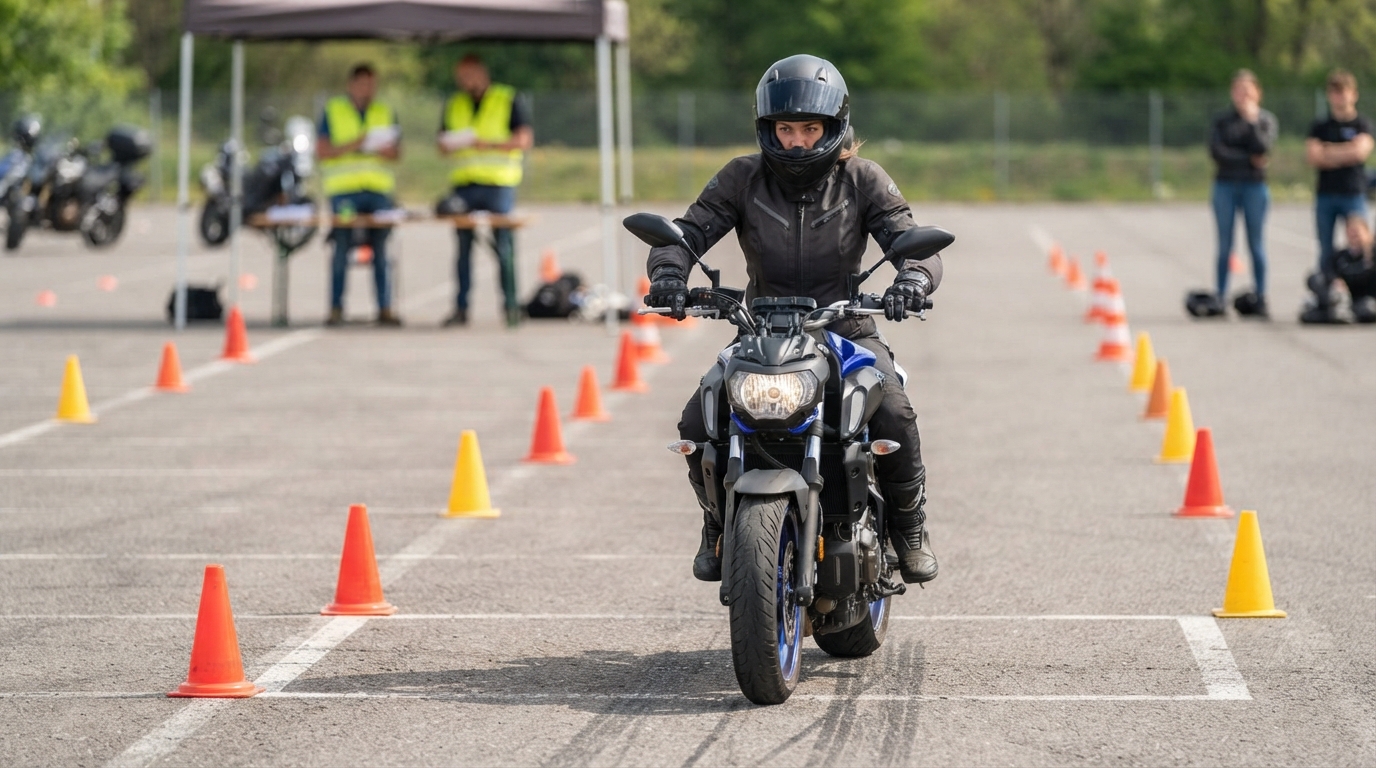
The best way to understand ABS is to practice with it under controlled conditions. Find a legal closed training area with plenty of space. Begin with moderate stops in a straight line. Keep your eyes up, maintain a stable posture, and progressively increase brake pressure.
Once you are comfortable, practice firmer stops. The goal is not to trigger ABS every time. Instead, learn how quickly your motorcycle can slow and how the controls feel near the traction limit. If ABS activates, stay calm and continue using the brakes as needed. Do not release the brakes just because you feel pulsing.
Cornering adds more complexity. Traditional ABS is designed primarily for upright braking. Some newer motorcycles include lean-sensitive or cornering ABS, but riders should not assume every ABS system offers that capability. Enter corners at a manageable speed and complete most heavy braking before significant lean whenever possible.
Our training section covers braking, cornering, slow-speed control, and other skills that work together with modern rider aids. You can also follow motorcycle news and safety updates as braking technology and safety standards continue to evolve.
A simple ABS safety checklist before every ride
- Confirm the ABS warning light completes its normal startup check.
- Check tire pressure and look for visible tire damage.
- Make sure the front and rear brakes feel normal before entering traffic.
- Keep enough following distance to avoid relying on emergency braking.
- Practice hard stops periodically in a safe and controlled location.
- Read the owner’s manual so you know exactly which ABS features your motorcycle has.
Motorcycle ABS is one of the most useful safety technologies available to riders, but it works best as part of a larger system. Good judgment, training, protective gear, tire maintenance, visibility, and sober riding still matter on every trip.
For riders choosing a motorcycle in 2026, ABS deserves serious consideration. For riders who already have it, the next step is learning how the system feels and maintaining it correctly. The goal is not to depend on technology. The goal is to combine good technology with good riding habits so you have more options when something unexpected happens.