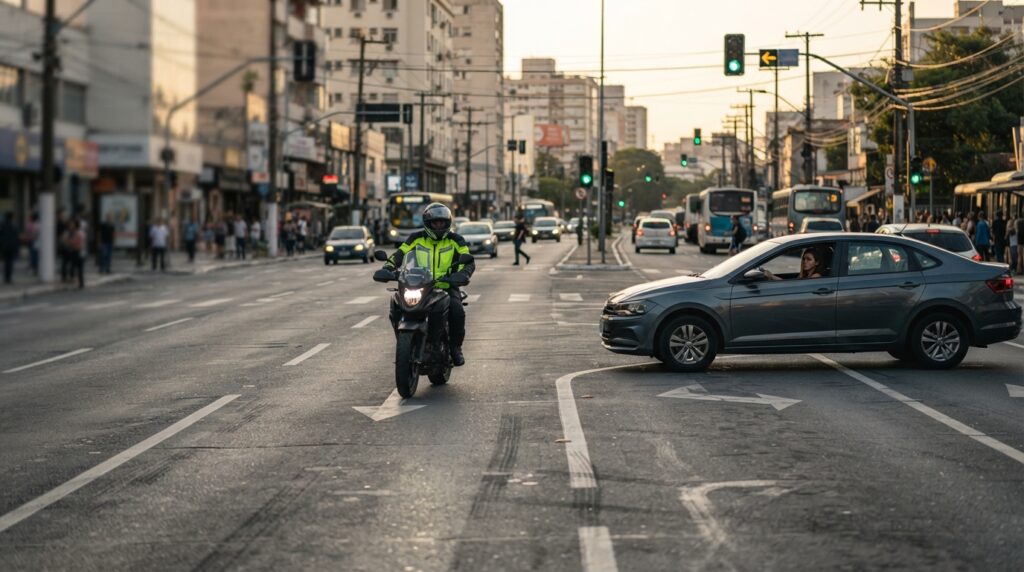

Choosing a DOT-compliant motorcycle helmet is one of the most important gear decisions a rider can make. A helmet may look premium, feel lightweight, and carry an impressive product description. However, appearance alone does not show whether it meets the federal motorcycle helmet safety standard in the United States.
That matters because riders still encounter novelty helmets, questionable certification labels, and products sold online with unclear safety claims. A genuine motorcycle helmet should combine recognized safety compliance with the correct size, suitable head shape, secure retention system, and a design that fits your type of riding.
This guide explains what the DOT label really means, how to inspect a helmet, how to find the right fit, and what warning signs to avoid. You can also explore our motorcycle gear guides and motorcycle safety tips for more rider-safety information.
What Makes a DOT-Compliant Motorcycle Helmet?
In the United States, motorcycle helmets intended for road use must comply with Federal Motor Vehicle Safety Standard No. 218, commonly called FMVSS 218. The standard establishes minimum performance requirements for motorcycle helmets.
One point often causes confusion. The U.S. Department of Transportation does not test and approve every helmet before it reaches a store. Instead, the manufacturer certifies that the helmet meets the federal standard. The familiar DOT marking represents that certification.
NHTSA can then obtain helmets from the marketplace and test them for compliance. If testing shows that a helmet fails applicable requirements, enforcement or a safety recall may follow.
Check More Than the DOT Letters
Start with the certification label on the rear of the helmet. NHTSA says current DOT-compliant helmets sold in the United States should carry information that includes the manufacturer or brand, model designation, DOT, FMVSS No. 218, and the word CERTIFIED.
Older certified helmets can look different. For example, NHTSA notes that certified helmets made before May 13, 2013 may simply display DOT. Therefore, the exact appearance can depend on the helmet’s age.
A DOT sticker alone does not prove that a helmet is safe
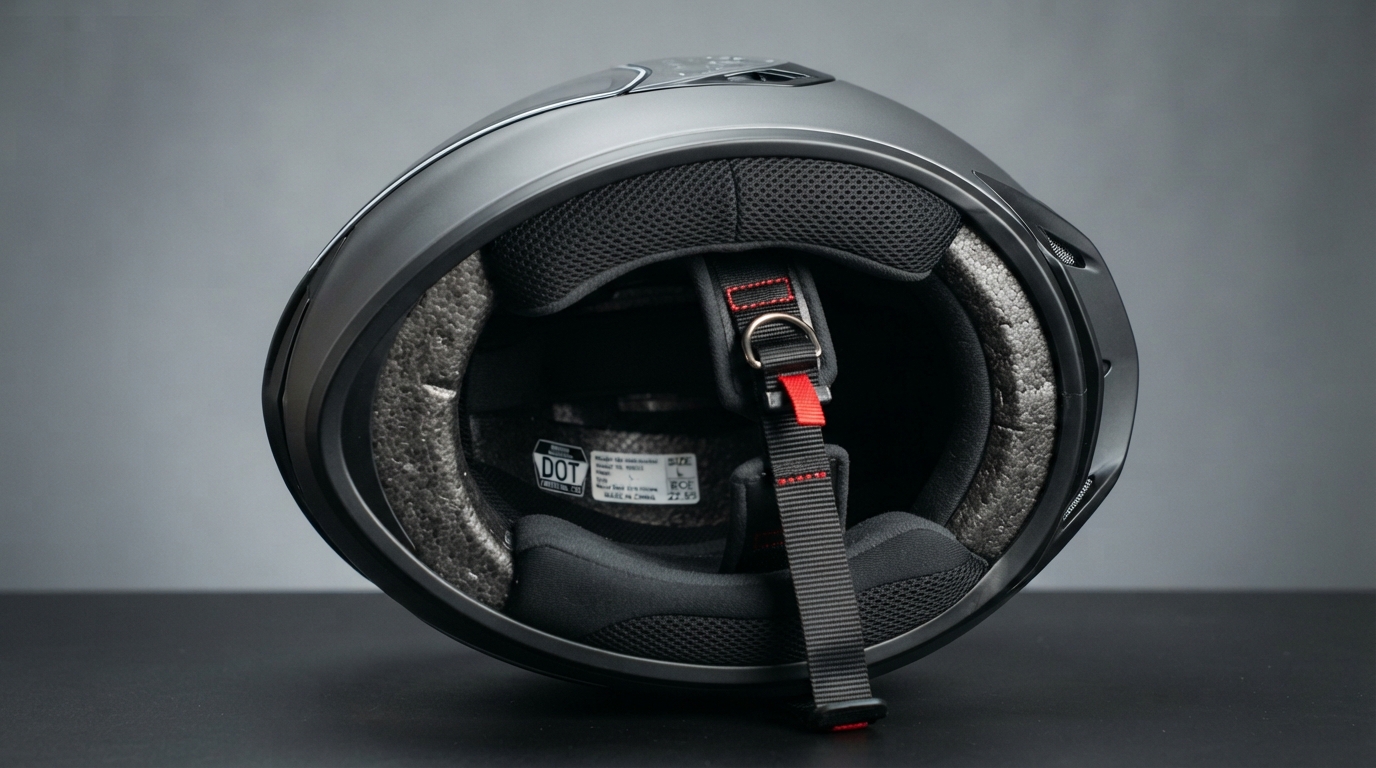
Unfortunately, counterfeit DOT stickers exist. A seller can place a fake label on a helmet that was never designed to meet FMVSS 218. Therefore, riders should inspect the entire helmet rather than relying on three letters.
Look for clear manufacturer identification and model information. Examine the interior construction as well. A genuine road helmet should feel like purpose-built protective equipment rather than a thin decorative shell.
When buying online, be cautious if the seller provides little information about the manufacturer, model, certification, return policy, or product origin. Extremely low prices can also justify closer inspection, especially when the listing emphasizes appearance while saying little about safety compliance.
You can review NHTSA’s official guidance through this motorcycle helmet safety resource before buying.
Inspect the liner, chin strap, shell, and overall construction
NHTSA identifies several physical clues that can help riders spot an unsafe helmet. A compliant helmet normally contains substantial impact-absorbing material inside the shell. Unsafe novelty helmets may have very little rigid foam and may rely mainly on soft comfort padding.
The retention system also matters. Inspect the chin strap, attachment points, and hardware. A helmet cannot protect your head effectively if it comes off during a crash.
Also look carefully at decorative modifications. NHTSA notes that FMVSS 218 limits how far rigid projections can extend from the helmet surface. Large spikes or similar rigid decorations can therefore be a warning sign.
Weight alone does not establish compliance. Modern materials can reduce helmet weight. However, an unusually tiny or extremely thin helmet marketed mainly as the “smallest” or “lightest” option deserves extra scrutiny.
Choose a Helmet That Fits Your Head, Not Just Your Motorcycle
Certification is only part of the buying process. A DOT-compliant motorcycle helmet still needs to fit your head correctly. A poor fit can cause discomfort, movement, pressure points, and distraction.
Start by identifying your general head shape. NHTSA groups common helmet fit shapes into round oval, intermediate oval, and long oval. Helmet brands and models can fit these shapes differently, even when the size printed on the label is the same.
Measure your head and test the helmet before riding
Use a soft measuring tape around the widest area of your head. Run the tape just above your eyebrows and around the fullest area at the back. Then compare the measurement with the size chart for the exact helmet model you plan to buy.
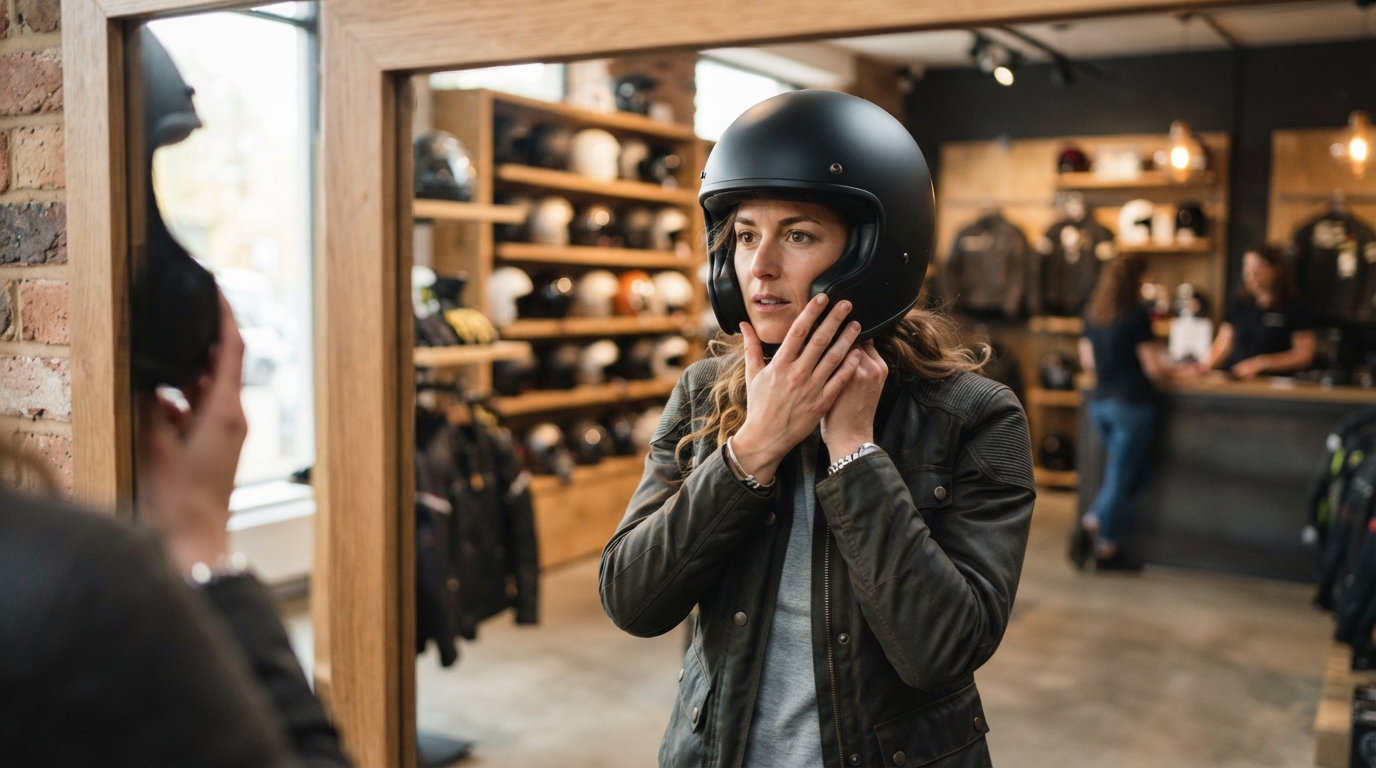
A new helmet should feel snug. However, snug does not mean painfully tight. You should feel even pressure around your head without severe pressure points.
NHTSA recommends paying attention to where pressure develops. Pressure across the forehead may suggest that the helmet shape is too round for your head. Pressure along the sides can indicate the opposite problem.
After buying a helmet, NHTSA suggests wearing it for roughly 30 to 45 minutes before your first ride to check for pressure points. That is useful because some uncomfortable areas do not become obvious during a quick fitting.
Shake your head gently from side to side. A correctly fitted helmet should move with your head rather than sliding independently. Your cheeks should also feel supported.
Do not solve a poor fit by cutting or removing protective foam. Some manufacturers offer different cheek pads or approved liner components. Use only adjustments intended for that specific helmet.
How to Choose the Right DOT-Compliant Motorcycle Helmet for Your Riding
After confirming certification and fit, consider how you actually ride. A commuter, touring rider, dual-sport rider, and motocross rider may need different ventilation, visibility, weather protection, aerodynamics, and face coverage.
A helmet should also work with your other equipment. Check whether your jacket collar restricts movement. Make sure glasses fit correctly if you wear them. Confirm that you can operate the visor easily while wearing gloves.
Our motorcycle training resources can also help you connect equipment choices with practical riding habits.
Compare Helmet Styles Before You Buy
Full-face helmets provide a shell and chin section around more of the rider’s head and face. For many street riders, that makes them a practical starting point when comparing protection, weather coverage, wind control, and everyday usability.
Modular helmets offer a movable chin-bar design. They can be convenient for touring and commuting, although riders should check exactly how the specific helmet has been designed and certified.
Dual-sport helmets combine features useful for pavement and off-road riding. Off-road helmets often provide an extended chin area, visor, and strong airflow for active riding conditions.
Open-face and half helmets leave more of the rider’s face exposed. NHTSA notes that these styles provide only some level of protection and lack a chin guard.
Use this final helmet check before spending your money
- Confirm that the helmet is designed and certified for motorcycle road use.
- Inspect the rear DOT certification information.
- Verify the manufacturer and exact helmet model.
- Check for substantial impact-absorbing material inside the shell.
- Inspect the chin strap, fastener, and attachment points.
- Measure your head using the manufacturer’s size chart.
- Choose a helmet shape that matches your head shape.
- Wear the helmet long enough to identify painful pressure points.
- Check visor clarity, ventilation, peripheral vision, and comfort.
- Research recalls or compliance concerns when anything looks questionable.
Price should not be the only deciding factor. A more expensive helmet may include lighter materials, improved aerodynamics, quieter airflow, premium liners, electronics integration, or other convenience features. However, a high price does not automatically mean a better fit for your head.
Likewise, graphics do not determine safety. Start with compliance and fit. Then compare comfort, coverage, visibility, ventilation, and features.
Be careful with used helmets as well. You may not know whether a helmet has experienced an impact, been modified, or been stored incorrectly. If its history is unclear, buying new equipment from a reputable source can remove that uncertainty.
Once you choose a helmet, treat it as safety equipment. Avoid drilling into the shell or making unapproved structural changes. Keep the visor clean, inspect the strap, and follow the helmet manufacturer’s care instructions.
Also remember that a helmet is only one part of motorcycle protection. Gloves, abrasion-resistant clothing, boots, eye protection, safe riding habits, and training all work together. Visit our gear guides for more equipment advice and our motorcycle news and laws section for relevant safety updates.
The best DOT-compliant motorcycle helmet is not simply the helmet with the most aggressive design or highest price. It is a genuine compliant helmet that fits your head securely, matches your riding needs, and is comfortable enough that you will wear it every time you ride.
Take a few extra minutes before buying. Check the certification. Inspect the construction. Confirm the fit. Those simple steps can help separate serious protective equipment from a helmet that only looks the part.